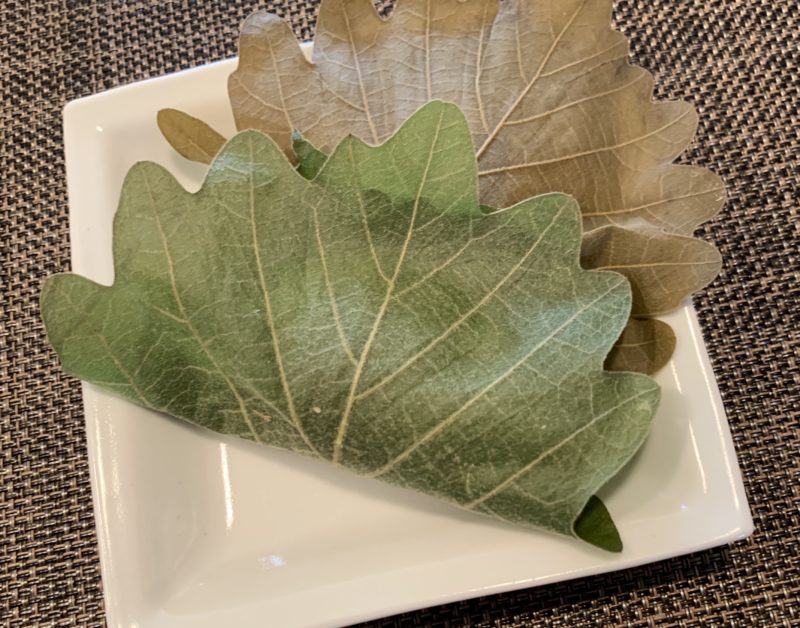
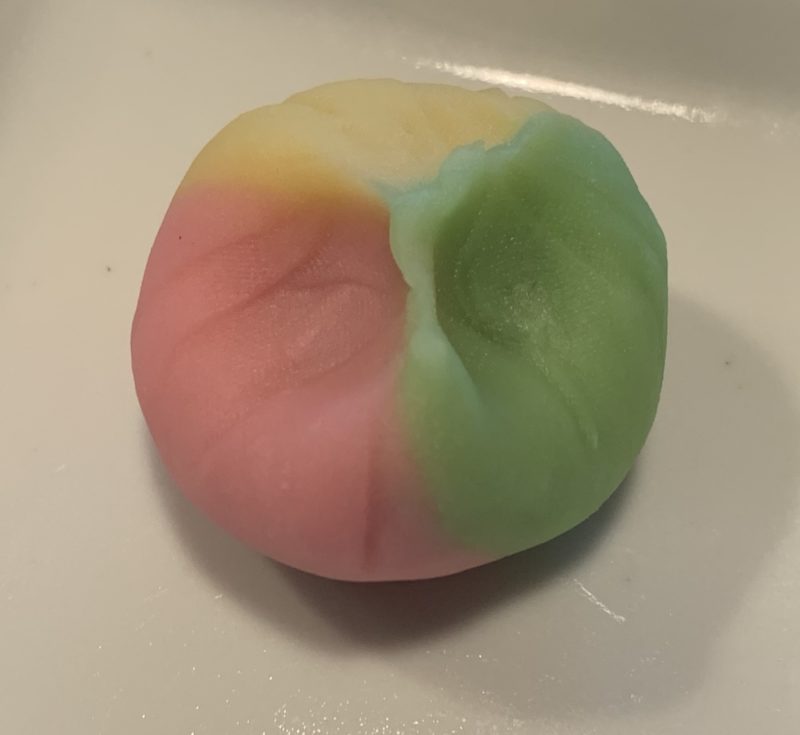
The third stage in the history of Japanese sweets is the period of change from the Kamakura period to the Muromachi period (12th -15th century). During this period, Buddhist monks who studied in China spread Zen Buddhism. They popularized not only the... Read More | Share it now!
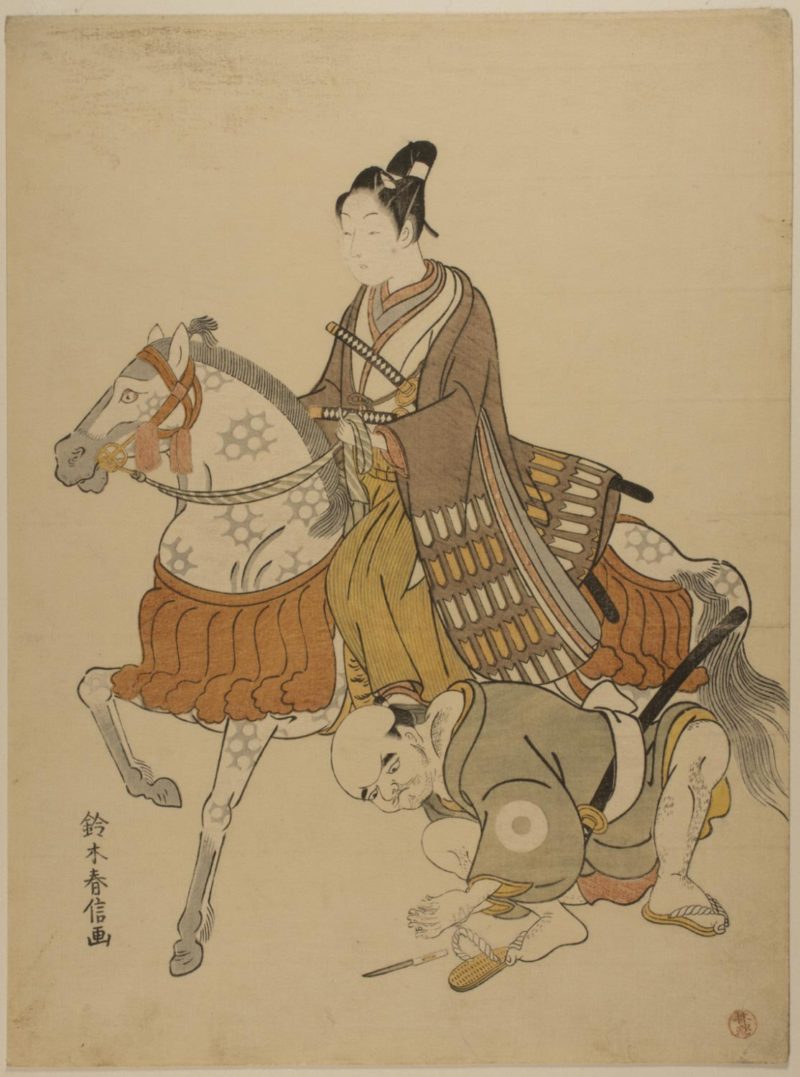
“Samurai” The kimono in Ukiyoe
There are formal and casual clothes. In some times, it was required as a rule rather than as common sense. Especially for the pre-modern upper class, such codes were very important. Rather than economic disparity, the difference in status became the... Read More | Share it now!
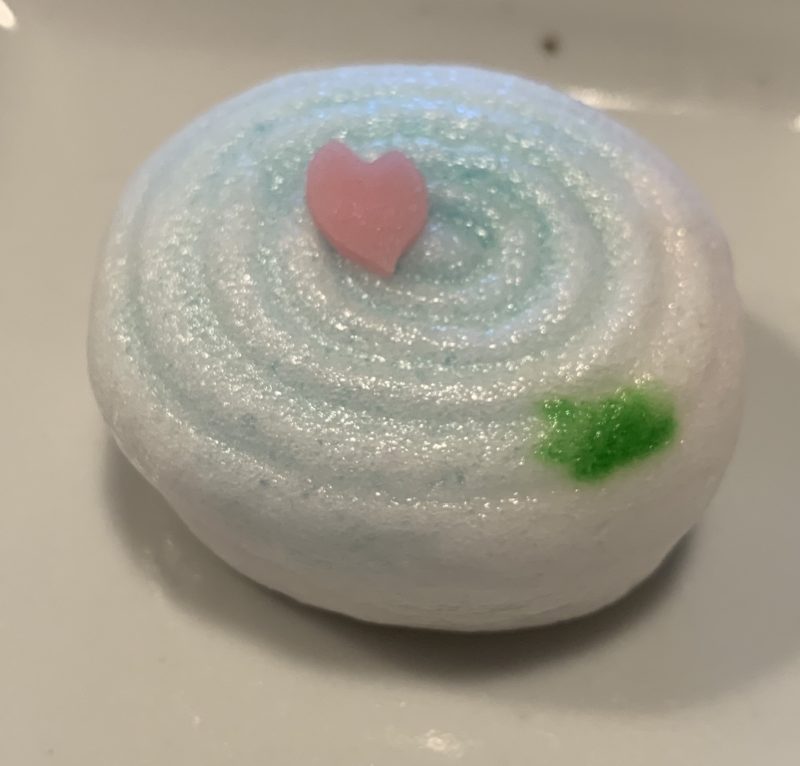
“Mizu no Ne” The Beauty of wagashi
Wagashi has been historically established through five stages. ① fruits and nuts② Mochi(rice cake) and Dango(dumplings) ③ Karagashi from China ④ Tenjin brought back by a Buddhist priest who studied Zen Buddhism in China ⑤ Nanbangashi, a... Read More | Share it now!
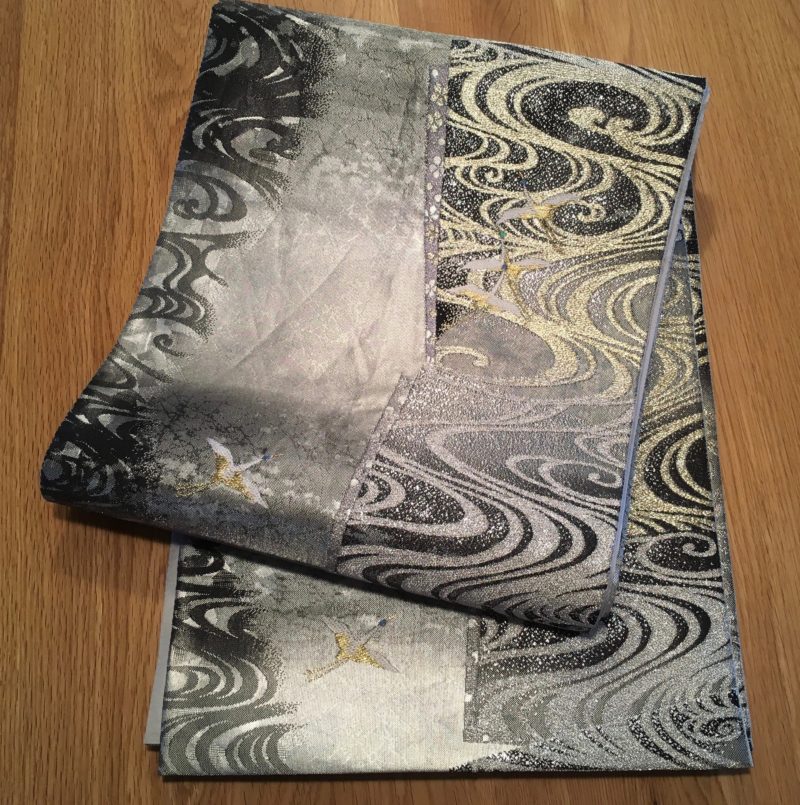
“Stream” The Obi and Japanese patterns
Kimonos and obis have various stream patterns, but many are rapid flows.The Japanese archipelago has a mountain range with a height of 1000 to 3000 m running like a spine and is divided into the Pacific side and the Japan Sea side, so the overall... Read More | Share it now!
“Yuya” The Yukata in Ukiyoe
Yukata was originally used to hide the skin when bathing. However, in the 17th century, a paid indoor sauna bath opened in Edo (Tokyo) and became popular, and bathers began bathing naked. On the other hand, sweating clothes after bathing were... Read More | Share it now!