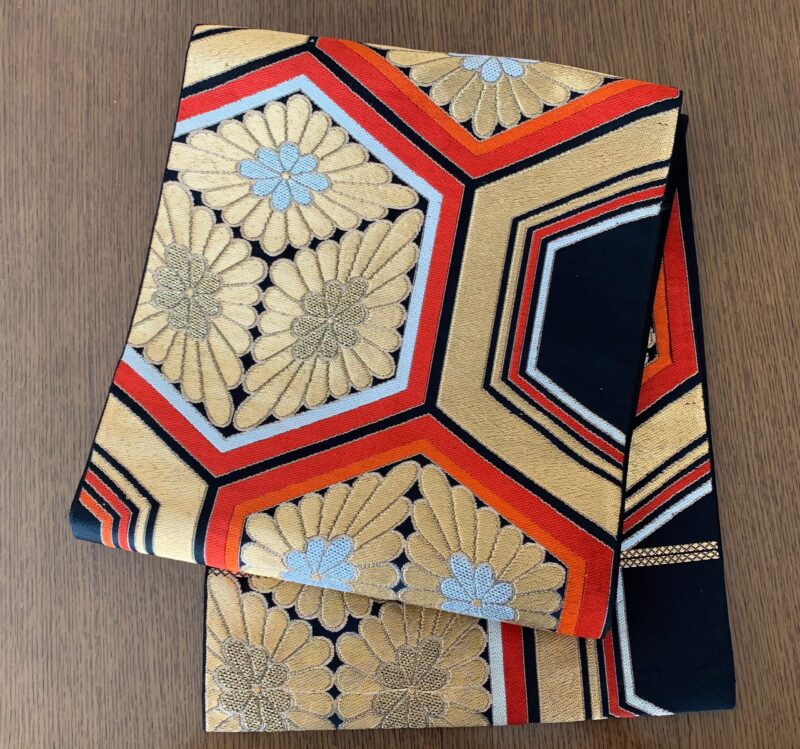
Among the patterns on kimono and obi, kikkō (the tortoise-shell hexagon) is one of the most frequently seen. The hexagonal shape has long been a symbol of unchanging strength. It is the same hexagon that is called the tortoise’s shell in East Asia and the honeycomb in Europe.
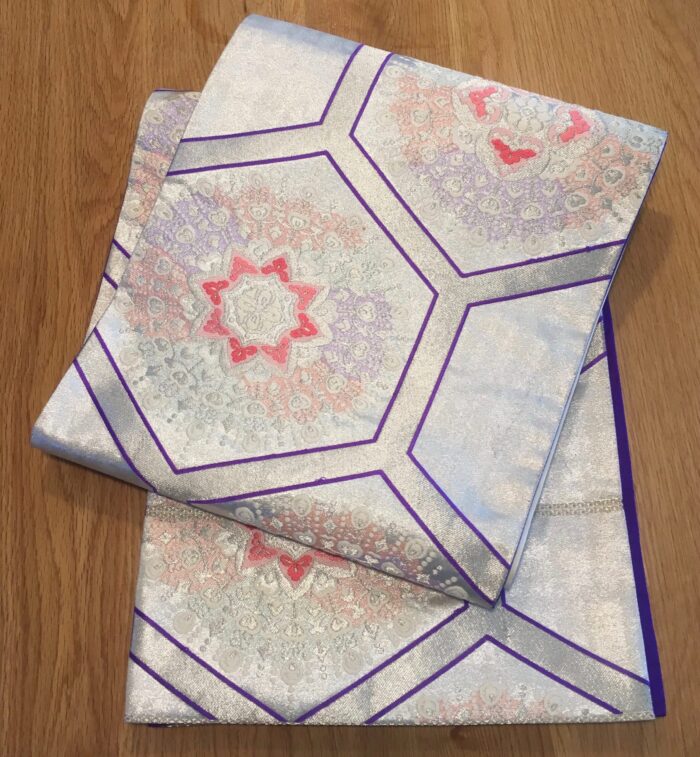
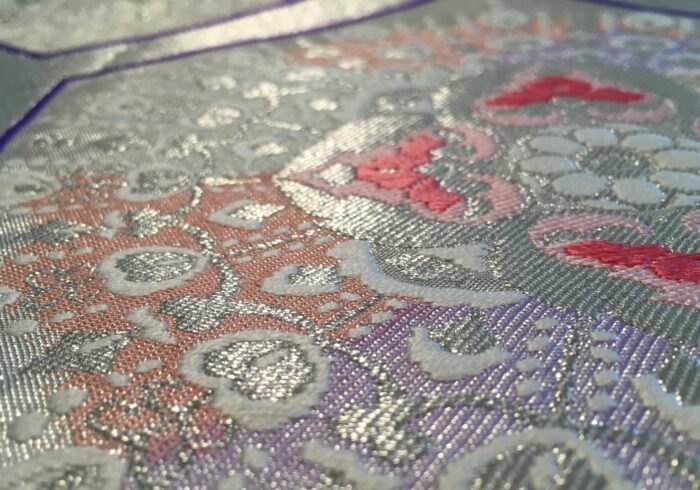

This geometric pattern was born in West Asia, and passed through China and the Korean peninsula to reach Japan between the 3rd and 7th centuries. In the 8th century, as Buddhism spread, the kikkō pattern came to be widely used in the decoration of temple and shrine architecture and of Buddhist statues. Not a few of the things regarded as traditional Japanese culture and design were in fact brought from China and the Korean peninsula.


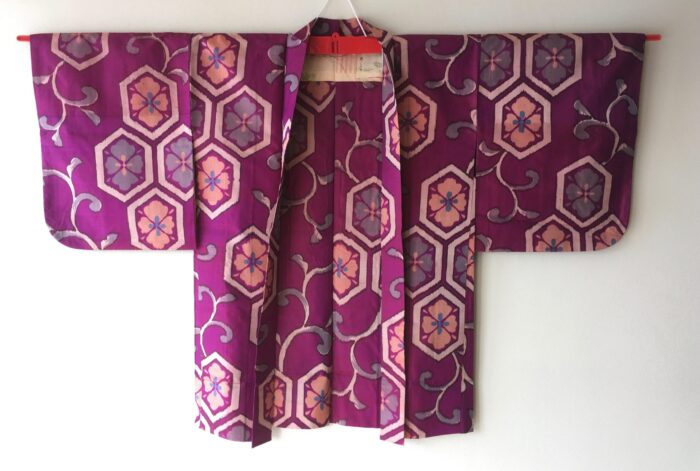
The kikkō on kimono and obi comes in many variations. Not only the single hexagon, but hexagons doubled and tripled. Some have a chrysanthemum pattern set inside. Some combine three to give the solidity of a box. Each designer embeds a complex design within the simple hexagon.
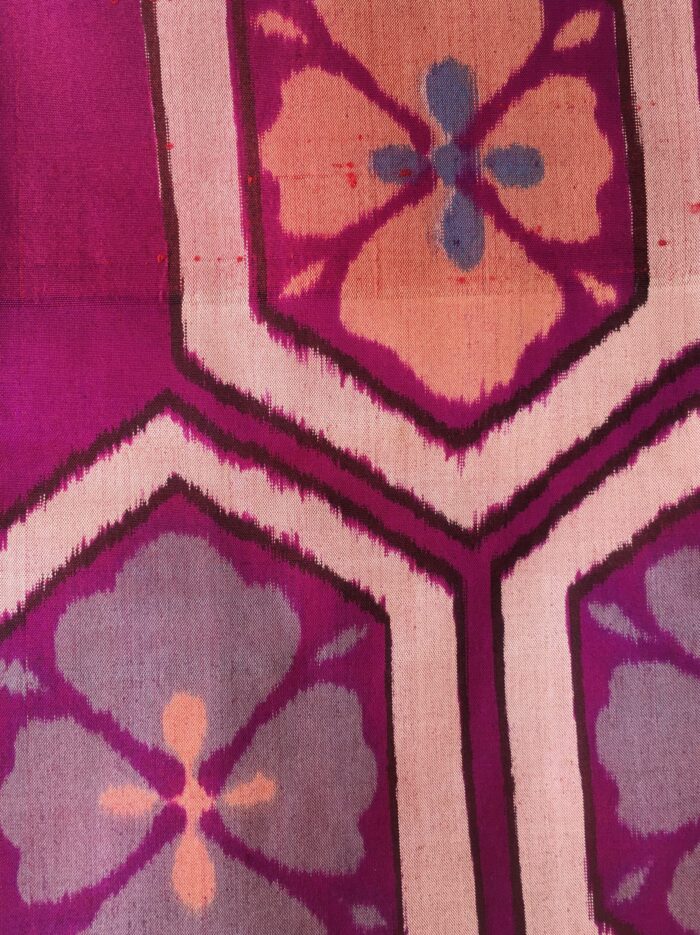
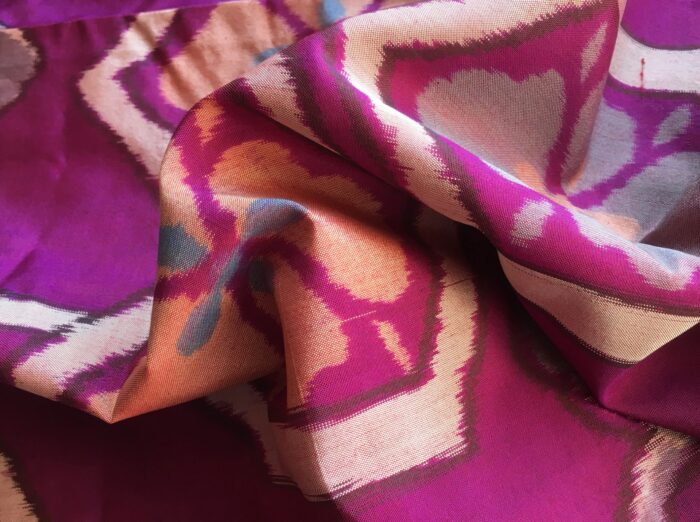
The kikkō pattern is also familiar at the Japanese table. It is on the Kikkoman soy sauce bottle. Many people will have seen that small bottle with the red cap at a Japanese restaurant. Today soy sauce plays a big role on many Western tables too. The packs of sushi also come with a Kikkoman soy sauce packet, don’t they?
The kanji “萬” (man, ten thousand) inside the hexagon on the bottle’s label — this is the kikkō logo.
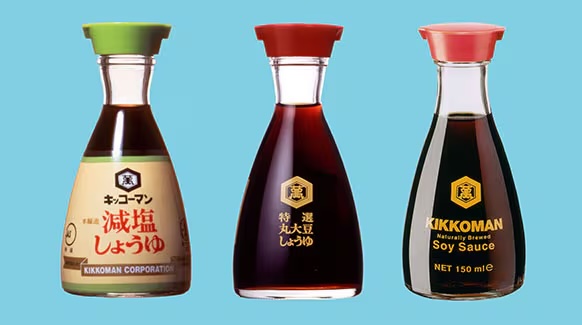
The origin of the logo is at Katori Shrine in Chiba prefecture. Part of the shrine’s formal name includes “Kikkō-san” (亀甲山), and the kikkō shape was taken from this. In the Edo period (17th–19th centuries), Chiba, next to Edo (Tokyo), became a major producer of soy sauce, and one of those producers was Kikkoman. The master of the soy sauce house was a believer in Katori Shrine, and into the eternity (invariance) that kikkō means, he put the “萬” that means ten thousand (10,000) — the wish that the prosperity of the business would last forever. That is how he made this logo.
A pattern that came from West Asia to Japan in the 3rd century became the logo of a Chiba soy sauce house in the 19th century, and in the 20th century is drawn on the label of a bottle that stands on tables around the world. The hexagon called kikkō remains, with the same strength, both in silk weaving and on the label of a soy sauce bottle.
