
From the port of Yokohama, Japanese raw silk took two roads. One ran east across the Pacific—the modern Silk Road that carried Japanese silk to the factories of New York. The other ran north to Gunma Prefecture, where the government’s model filature began producing raw silk in 1872.
But once the best cocoons had been reeled into silk and shipped abroad, something remained. Misshapen cocoons, tangled fibres, uneven threads—low-grade silk known as waste silk. Before the Meiji era, farm women had spun this leftover by hand into a sturdy yarn called tsumugi. Far from showy, but quiet and durable. Could this waste silk be spun by machine—faster, cheaper, in larger quantities? The answer came not from Japan, but from the textile mills of Europe.
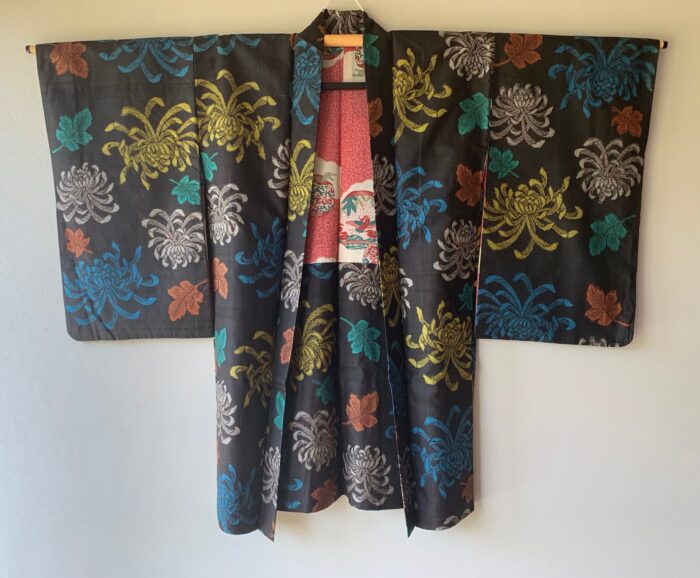
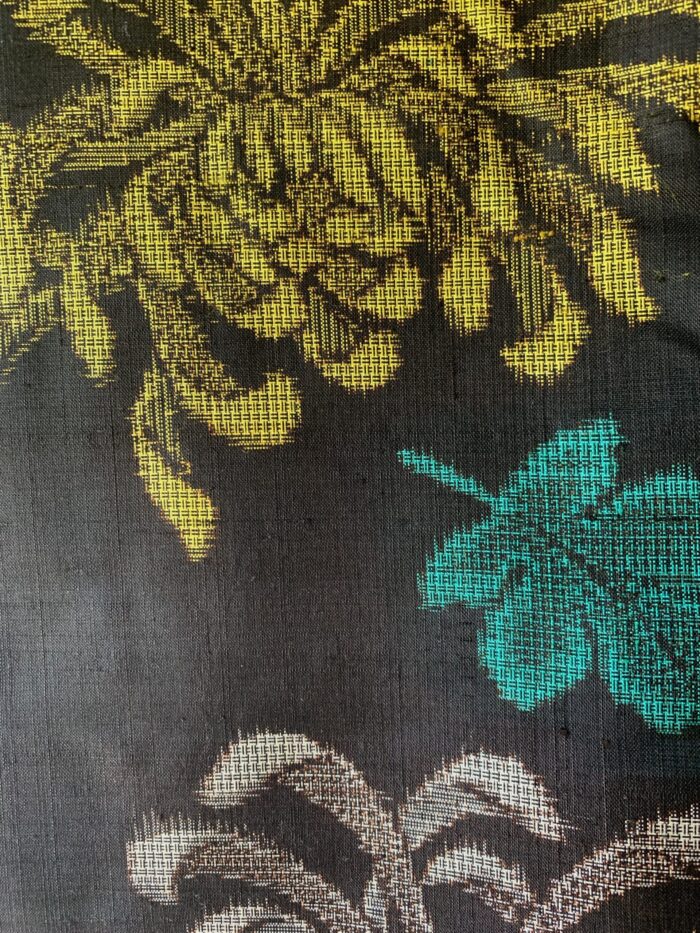

The world’s first mechanised silk-spinning mill was founded in 1792 at Galgate, near Lancaster in north-west England—an adaptation of spinning technology developed for cotton and wool. The technology spread from England to Switzerland, France, Germany and Italy. These mills clustered around the Alps, where mountain streams could power the heavy machinery that silk spinning required.
One of these Alpine mills still survives. Camenzind + Co. AG, in the lakeside town of Gersau in the Swiss canton of Schwyz, has been spinning silk since 1730, its machines still driven by water from the surrounding hills. It is said to be one of only two silk-spinning mills left in Europe.
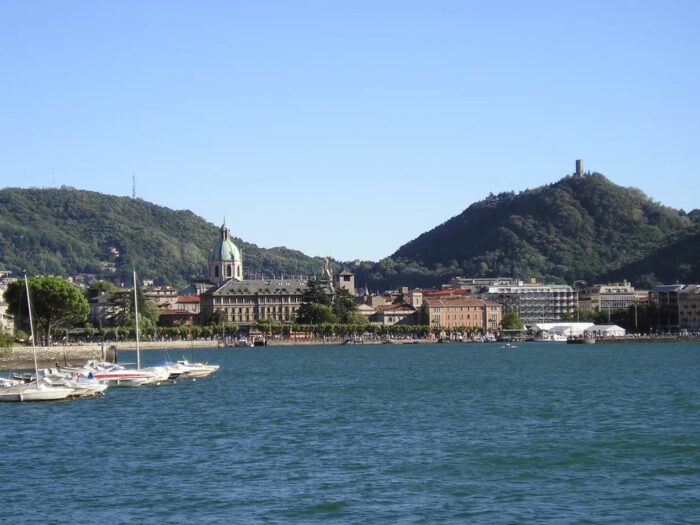
By the nineteenth century, three cities stood at the centre of the world’s silk trade: Lyon, Como, and Yokohama. Lyon was the capital of European silk for five centuries. Como sat on the lake honeymooners know, a centre of silk weaving since the sixteenth century. When pébrine devastated Italian sericulture in the mid-nineteenth century, Como turned to Japanese raw silk. It recovered through mechanisation and through the supply of spun silk from the Alpine mills. Yokohama was the third, and the newest. It became the principal export port for the raw silk produced in Gunma, the hinterland north of Tokyo. Raw silk flowed out from Yokohama to Lyon and Como. The waste silk left behind by that trade became the raw material for a new kind of affordable silk fabric.
The man who brought silk-spinning technology back from Europe to Japan was Sasaki Chōjun, a government official sent to prepare for the 1873 Vienna World Exposition. On orders from Ōkubo Toshimichi, he studied sericulture and silk spinning around the Alps—in Gorizia, Lucerne, and Milan. The German engineer Gräfen, who accompanied him, came from Krefeld, a major centre of silk spinning.
In 1877, Japan’s first silk-spinning mill was established at Shinmachi in Gunma. The machinery was imported from Kriens near Lucerne, the power equipment from Krefeld. The mill mass-produced waste silk yarn—cheaper than raw silk, yet made of genuine silk fibres. For years Japan continued to import spun silk from Italy and France, but by 1910 it had become a net exporter. By the mid-1920s it had overtaken France. What drove domestic demand, however, was not export but a moderately priced kimono called meisen. Waste silk cost roughly half the price of raw silk. It had no sheen, and its texture was coarse, but it was silk all the same.
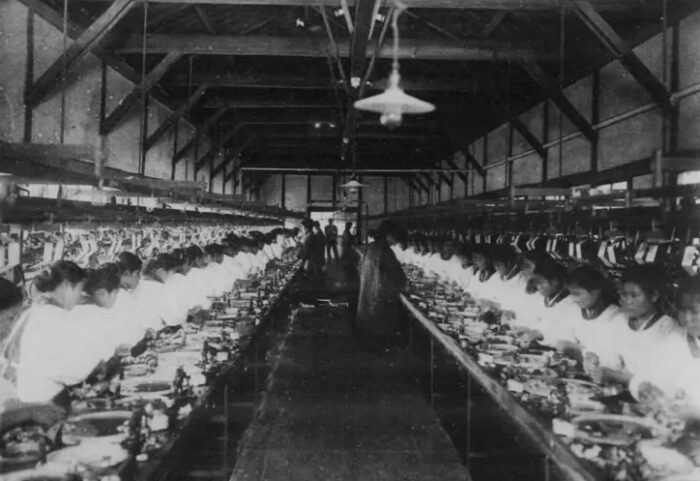
In 1877, Japan’s first silk-spinning mill was established at Shinmachi in Gunma. The machinery was imported from Kriens near Lucerne, the power equipment from Krefeld. The mill mass-produced waste silk yarn—cheaper than raw silk, yet made of genuine silk fibres. For years Japan continued to import spun silk from Italy and France, but by 1910 it had become a net exporter. By the mid-1920s it had overtaken France. What drove domestic demand, however, was not export but a moderately priced kimono called meisen. Waste silk cost roughly half the price of raw silk. It had no sheen, and its texture was coarse, but it was silk all the same.

In Europe, spun silk had been used since the eighteenth century to make velvets, crepes, and laces—fashions that the rising middle class could afford. Historians have called this process “the democratisation of silk.” Silk ceased to be an exclusive luxury and became “an affordable indulgence.” In Japan, the same process gave rise to meisen. The finest fibres—raw silk—were shipped from Yokohama to Lyon and New York. The waste silk left behind was dyed with chemical dyes, woven, and sold as mass-produced kimono. First it was worn by schoolgirls, then by professional women such as teachers, by department-store clerks and café waitresses, and eventually by maids and factory workers. By 1928, statistics suggest, half the women walking past Mitsukoshi department store in Nihonbashi were wearing meisen.
